
Essential Guide to the Types of Countertop Edges for Your Home
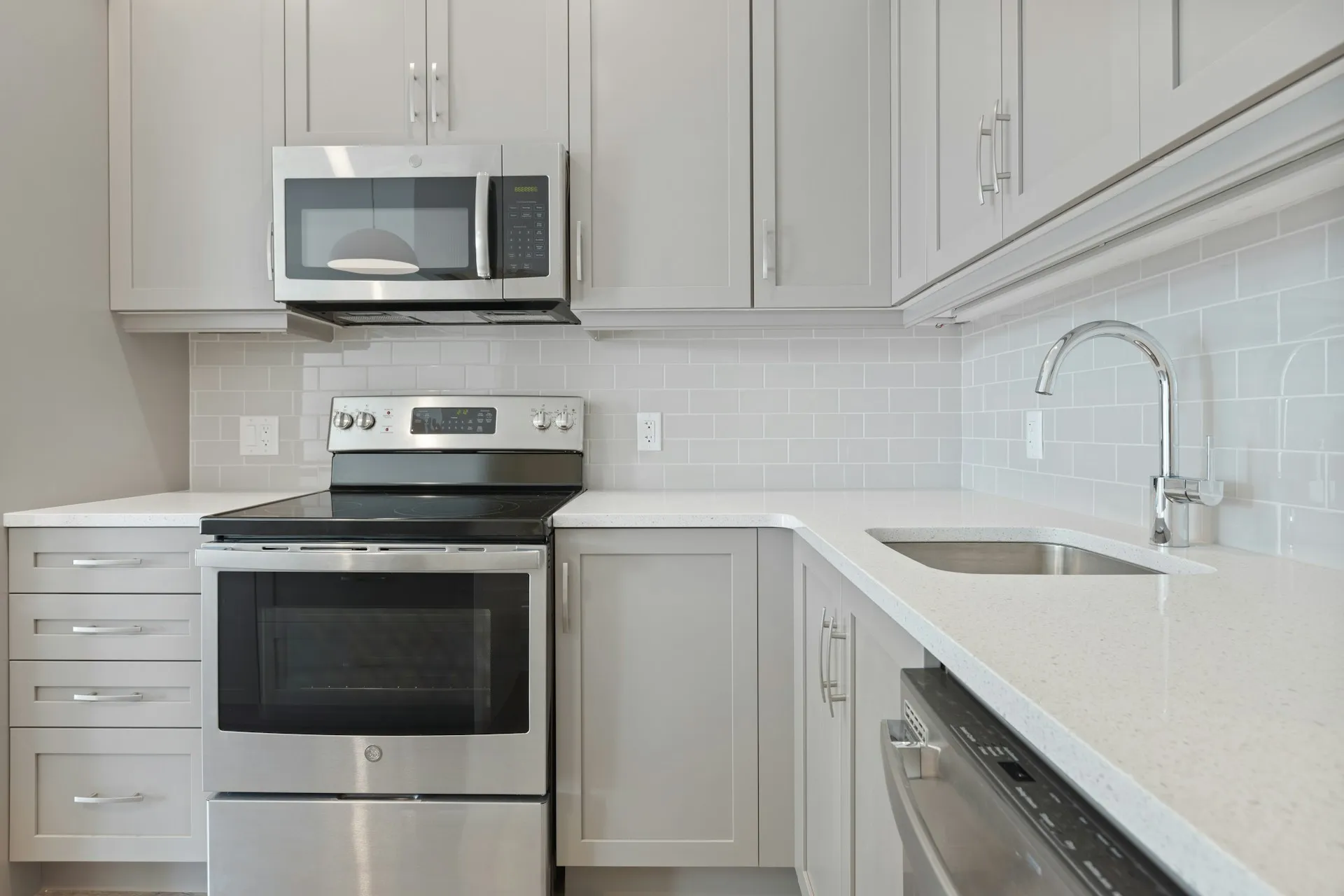
When you think about countertops, the material and color usually come to mind first. But another detail plays a huge role in style and function: the top edge of the countertop. From sharp lines to softly rounded edges, or luxurious curves, the types of countertop edges you choose can subtly transform the look and feel of your kitchen or bathroom. Whether you’re drawn to the soft slope of an eased edge, the polished angle of a beveled edge, or the elegant timelessness of an ogee edge, your choice plays a key role in overall design and day-to-day practicality.
This guide explains the different edge profiles, helps you understand how they impact durability and maintenance, and gives you everything you need to make an informed decision.
Understanding Countertop Edge Options
What are Countertop Edges?
Countertop edges are the finished edges of a countertop. They’re available in various styles and profiles to enhance visual appeal and match your overall design. While they might seem like a minor detail, the right edge profile can dramatically affect how the space looks and feels.
These profiles range from simple to ornate, helping you create a minimalist, traditional, or luxurious aesthetic. Beyond appearance, the right edge can unify design elements, mirroring cabinet lines or softening bold surfaces. For example, a bullnose edge might echo the curves of a rounded faucet, bringing form and flow into harmony. With the right choice, you can subtly elevate your kitchen countertops, making them feel more custom and connected to the room’s overall style.
Countertop edges are shaped from a variety of countertop materials, including natural stone, quartz, laminate, and granite. Your material choice often determines which profiles are possible or practical for your project.
Types of Countertop Edges
Straight Edge
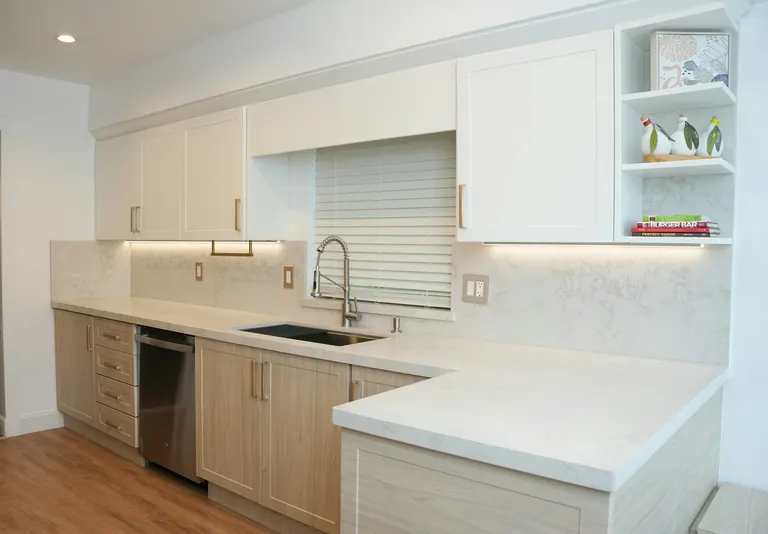
The straight edge is known for its clean, contemporary appearance. Though technically a sharp 90-degree angle, it can be softened with a slight curve or eased edge to avoid chipping.
This edge profile is often chosen in minimalist areas where clean lines take center stage. It’s affordable and easy to maintain, while also ideal for showcasing bold countertop materials like quartz or honed stone. Straight edges are especially useful for creating a sense of precision and structure in the kitchen.
Bullnose Edge
The bullnose edge is fully rounded and forms a smooth semicircle. This classic choice adds softness to any surface and is especially popular in traditional kitchens and bathrooms.
Beyond its elegant look, the bullnose edge is practical. Its rounded design helps prevent bumps and bruises, making it a safer option for homes with children. It can also provide visual continuity, especially when paired with curved fixtures or islands.
However, it’s important to note that bullnose edges are more labor-intensive to shape and polish, making them more expensive than straight edges. But for many homeowners, the finished look is well worth the added cost.
Square Edge
The square edge delivers a crisp, 90-degree angle that creates a powerful visual line. This style is perfect for those who want a modern, structured design. It’s also cost-effective and requires minimal maintenance. The square edge works well with countertop slabs made from durable materials like granite and quartz, which support the rigid geometry without risk of frequent chipping.
Best of all, it fits into a variety of kitchen styles, offering simplicity without sacrificing substance.
Decorative Edge Options
If you want your countertop edge to be a design feature, decorative profiles are a suitable added extra. These include the beveled edge, ogee edge, and pencil edges, as well as more textured or sculptural options like fluted, chiseled, or honed edges for a truly custom look. Another standout is the waterfall edge, a rounded, multi-curve profile that mimics the look of cascading water, which is ideal for making an artistic statement.
A beveled edge introduces a diagonal cut that reflects light and adds visual depth. You can customize it to your liking, with some choosing shallow bevels for subtlety, while others opt for a deeper cut for added drama.
The ogee edge features a flowing “S” curve that brings softness and a bit of sophistication to your space. It’s a favorite in classic or ornate kitchen designs, particularly when paired with detailed cabinetry.
Pencil edges are a variation of the bevel, offering a very slight angle for a softer, understated look. They’re ideal for homeowners who want a compromise between modern flatness and curved elegance.
While these decorative edge options add serious design value, they do require more labor (and therefore more budget) than simpler profiles like the square edge.
Edge Durability and Maintenance
Factors Affecting Edge Durability
The durability of your edge profile depends on several factors, from the countertop material to installation quality and the thickness of the slab.
Natural stone is generally more resilient than laminate or low-density quartz. An expertly installed edge will resist wear and last longer, especially if the slab is thicker. A thicker slab offers more support and resists cracking or edge separation better than thinner cuts, which may need a bit of extra care.
If you plan to use a complex shape like an ogee edge or waterfall edge, consider choosing a material that can handle the extra carving and polishing. These sculpted profiles place more demand on the stone and require precise craftsmanship to maintain long-term strength and detail.
Maintenance Requirements for Different Edges
Straight and square edges are easiest to maintain, thanks to their flat, accessible angles. Decorative edges like ogee, beveled, or mitered edges demand more cleaning attention, as grooves and curves can collect dust or crumbs.
Materials also matter. Granite and marble countertops need periodic sealing, especially around the edges, to prevent staining and maintain luster. With laminate, sealing isn’t required, but edge chipping is more likely, especially for more angular profiles.
Choosing the Right Countertop Edge
When deciding on a countertop edge, think about your lifestyle. Households with children may prioritize safety, so a rounded edge, like a bullnose edge or slightly rounded edge, is a better choice. These profiles soften sharp corners and minimize bumps and bruises.
If you want a clean, architectural feel, go with a straight or square edge. These pair well with sleek, contemporary kitchens, offering a strong visual line without distraction. They also align with contemporary flat-panel cabinets and minimalist hardware.
If you’re looking to make a statement, a decorative edge option like the ogee edge, beveled edge, or waterfall edge can add richness and elevate the entire surface. Designers recommend styles like eased edges, bullnose, ogee, and waterfall edges for their appearance, and how they influence functionality and ease of use.
For remodels involving an island, the edge becomes even more visible. A mitered edge creates the illusion of a thicker slab, offering a bold, custom look that elevates your kitchen remodel. If you’re planning to install a breakfast bar or family seating area, an eased edge or pencil edge adds comfort while maintaining clean lines.
If you’re unsure, it helps to speak with an experienced contractor who can guide you toward the option that suits your space and lifestyle. At CSL Construction, we help Central Florida homeowners weigh their options and choose the right countertop edge to match their layout, materials, and design goals — whether it is a single surface swap or a full kitchen remodel.
Modern vs Traditional Edge Profiles: What Suits Your Style?
Your choice of edge profiles contributes to the overall style of your space, whether you want bold minimalism or timeless elegance.
Modern kitchens typically favor straight, square, or eased edges, keeping lines clean and visuals uncluttered. These edge profiles work well with monochromatic surfaces and sharp architectural features.
Traditional or transitional kitchens often lean toward curved or layered designs. Ogee edges, bullnose edges, and beveled edges add softness and dimension, especially when paired with ornate cabinets or warm-toned stone.
When choosing, consider how your edge profiles will interact with other features, like backsplash, lighting, and hardware. The right choice will complement your layout and create cohesion from surface to ceiling.
Exploring Specialty Countertop Edges
Specialty edges like the eased edge, pencil edge, slightly rounded edge, and mitered edge can offer practical and aesthetic advantages.
Eased edge: Provides safety and smoothness with a subtle radius, which is great for family kitchens or multi-use surfaces.
Pencil edge: Offers a gently curved profile that works especially well with laminate countertops.
Slightly rounded edge: Maintains straight lines while softening contact points, making it ideal for high-traffic kitchens.
Mitered edge: Creates the illusion of a thicker countertop, adding boldness and sophistication without increasing the slab’s weight. It’s especially popular in contemporary kitchen remodels where a solid, architectural look is key.
How Edge Profiles Affect Countertop Functionality
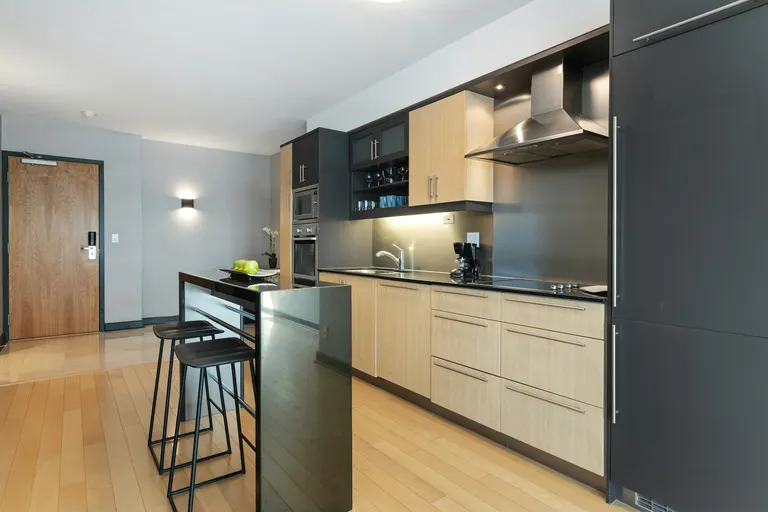
While edge profiles are often chosen for their look, they also influence how your countertop performs. The way edge profiles transition from the top surface to the vertical face can affect everything from cleaning ease to safety and comfort.
For example, a rounded edge helps reduce the chance of injury if someone bumps into a corner. This makes sense for families with small children or areas where people gather, like a kitchen island or breakfast bar. In contrast, a sharply cut top edge, such as a deep bevel or crisp square edge, can accentuate a sleek style, but may be less forgiving during meal prep or cleanup.
The form of your edge also shapes how spills and crumbs behave. A softly curved edge often contains messes better than an angular cut, where food and debris may fall more easily to the floor. Even the perceived depth of your counters can change based on edge profiles, adding visual weight or minimizing bulk.
Selecting the Perfect Edge for your Central Florida Countertops
Your choice of edge profile is more than a finishing touch. You can expect it to impact the look, feel, safety, and maintenance of your kitchen or bathroom. From timeless bullnose and decorative ogee profiles to sleek square or eased edges, each option brings its own blend of function and style.
At CSL Construction, we work with Central Florida homeowners to design spaces that look great and work hard. Whether you’re choosing granite countertops, a modern laminate finish, or a bold mitered edge, we’ll help you select the right option.
Contact us today to start planning your remodel and bring your vision to life, right down to the edge.