How to Remodel a Kitchen: A Complete Guide For Central Florida Homeowners
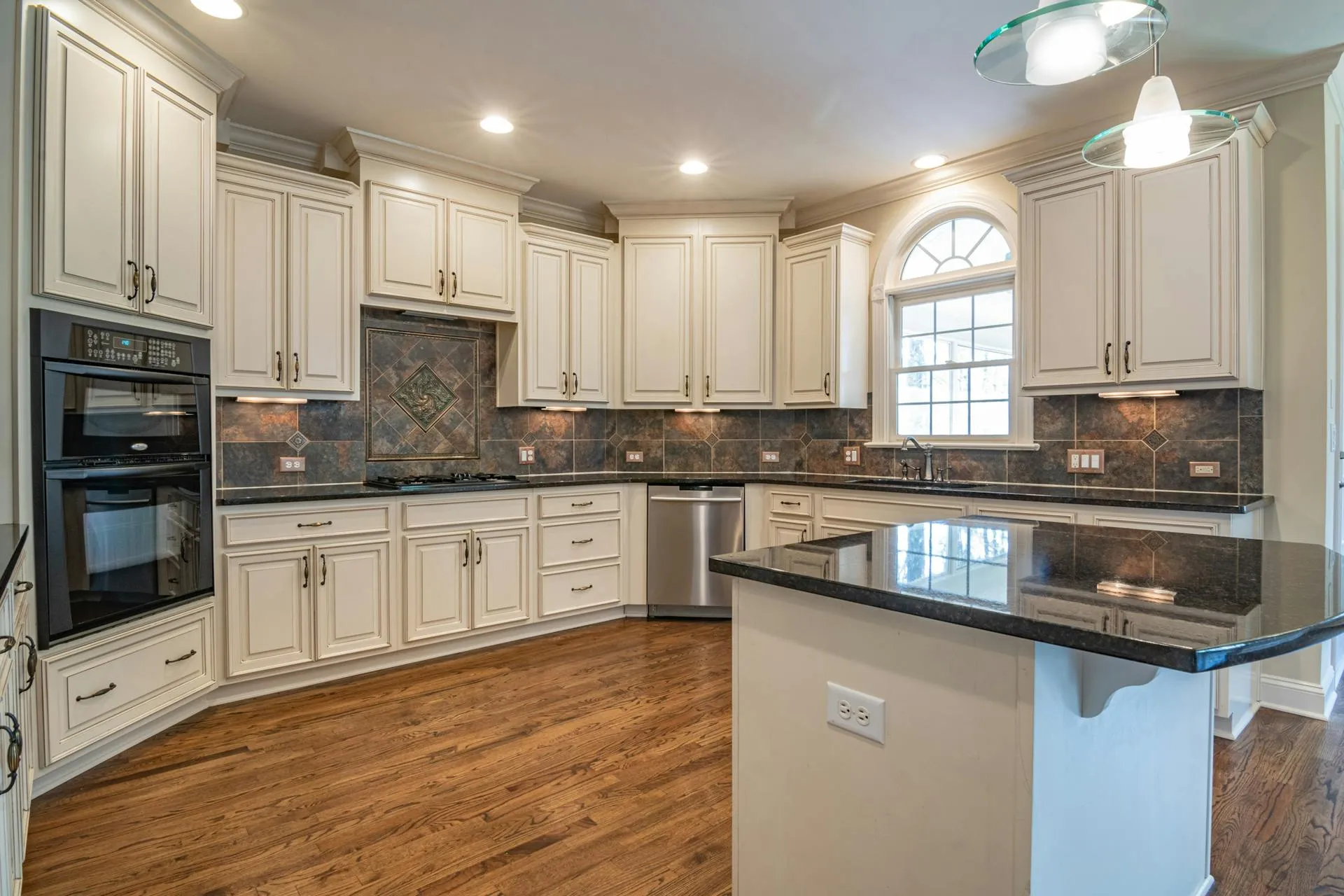
A kitchen remodel is an exciting project that improves function and style while adding value to your home. Whether you’re planning a total kitchen remodel or looking for budget-friendly options, knowing how to navigate the process ensures a smooth, successful outcome.
This guide covers everything you need to know, from planning and budgeting to installation and final touches.
Planning and Budgeting
Define Your Goals and Budget
The first step in a kitchen remodel is defining your goals and setting a budget that works for you. Decide whether you’re making minor updates—like replacing cabinet doors and drawer fronts—or planning a full renovation with new cabinets, countertops, flooring, and appliances. Prioritizing early helps you make smart spending decisions and avoid unnecessary costs.
Kitchen remodel costs depend on labor, materials, and permits, and they vary widely by scope. For a full breakdown of what a remodel costs in Central Florida—by kitchen size and finish tier—see our kitchen remodel cost guide. Setting aside a 10–20% contingency fund for unexpected expenses, such as plumbing upgrades or structural repairs, is also a smart move.
If budgeting feels overwhelming, working with a professional contractor simplifies the process. A contractor provides accurate cost estimates, handles permits, and ensures your remodel aligns with your vision and budget. While some homeowners take the DIY route to cut costs, hiring a professional minimizes mistakes and delivers a kitchen built to last.
Understand Where the Money Goes
Breaking costs into categories—materials, labor, and permits—helps you stay on budget while making smart design choices.
- Materials. Cabinetry is often the biggest expense: stock cabinets are the most affordable, semi-custom offers more flexibility, and custom cabinetry provides a tailored, high-end look. Countertops range from budget-friendly laminate to pricier quartz and granite. Flooring—wood, tile, or vinyl—also affects cost and durability.
- Labor. Costs depend on whether you DIY or hire a pro. Painting and minor installations can be done independently, but plumbing, electrical work, and major structural changes should be left to the experts.
- Permits and contingencies. Permit fees vary by Central Florida jurisdiction, and unexpected costs can pop up—so a contingency fund is key.
Design and Layout
Brainstorm and Sketch Your Ideas
Before starting, gather inspiration to clarify your style and functional needs. Sketching a rough layout brings ideas to life—think about how workflow, storage, and lighting come together. A well-planned layout prioritizes efficiency, especially the work triangle that ensures easy movement between the sink, stove, and refrigerator.
Your layout should also suit the available space. L-shaped kitchens are great for open designs; U-shaped kitchens maximize workspace for serious cooks; galley kitchens offer an efficient setup for smaller homes. For a deeper look at the options, see our guide to kitchen layouts.
Choose a Functional, Aesthetic Layout
Choosing the right layout balances efficiency and style. If you love entertaining, an L-shaped kitchen with an island creates an open, social space; if you cook often, a U-shaped layout offers plenty of counter space and storage.
Materials shape durability and design. Wood floors add warmth, while tile and luxury vinyl plank offer moisture resistance and easy upkeep. Subway tile remains a timeless backsplash choice. Lighting ties everything together—task lighting keeps prep areas bright, under-cabinet lighting improves visibility, and pendant lights add both practicality and style.
Hiring Professionals and Permits
Find the Right Contractor
Hiring an experienced contractor is key to a smooth, high-quality remodel. Research local professionals, read reviews, and review portfolios to find those with a proven track record in kitchen renovations.
Verifying licenses, certifications, and insurance protects your investment. A licensed contractor ensures work meets Florida’s building codes, while insurance safeguards against liability—always request proof of credentials before signing. To get the best value, gather multiple bids and compare pricing, services, and timelines. A lower quote may seem appealing, but quality craftsmanship is worth the investment.
Obtain Permits and Inspections
Most projects involving plumbing, electrical work, structural changes, or new cabinetry require permits. Permit and inspection costs in Central Florida vary widely by jurisdiction and the scale of the remodel—failing to secure the necessary approvals can result in fines or delays.
After securing permits, schedule inspections at key stages to verify the work meets safety and quality standards. Hiring a contractor experienced with permits and inspections streamlines this process and keeps your remodel code-compliant.
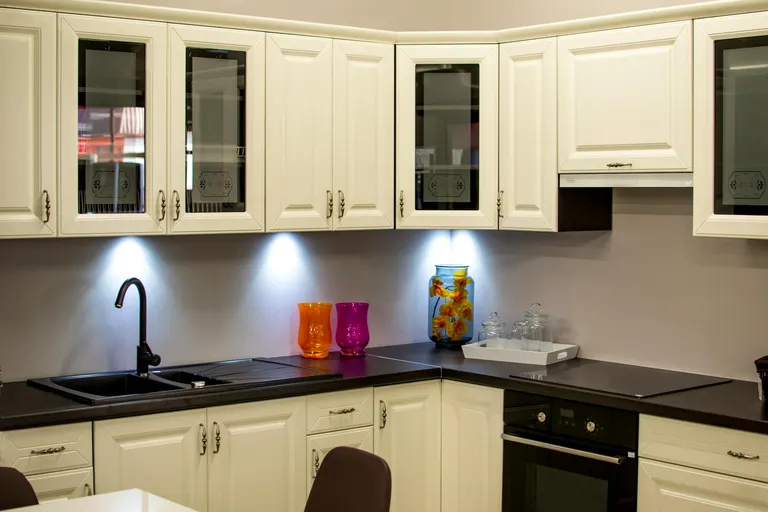
Construction and Installation
Demolition and Preparation
Proper preparation prevents unnecessary damage and delays:
- Prepare for demolition. Clear the space, empty cabinets, relocate appliances, and cover floors and furniture to contain dust and debris.
- Remove old fixtures. Carefully disassemble cabinets, counters, and flooring—especially if you plan to reuse or donate materials.
- Inspect for hidden issues. Once cleared, check for plumbing leaks, faulty wiring, or structural damage. Catching these early allows repairs before you move forward.
Install Cabinets, Countertops, and Flooring
After demolition, installing cabinetry, countertops, and flooring brings the remodel to life. The right materials balance aesthetics, durability, and budget:
- Cabinetry is often the biggest expense, priced per linear foot and rising from stock to semi-custom to fully custom.
- Countertops vary by material—laminate is the most budget-friendly, while granite and quartz cost more and marble sits at the top.
- Flooring impacts function and design, from cost-effective laminate and luxury vinyl plank to hardwood and natural stone.
For current, Central Florida–specific figures on all of these, see the kitchen remodel cost guide, and compare cabinet styles in our types of kitchen cabinets guide.
Avoiding Common Mistakes
- Taking on DIY beyond your skill level. Painting or swapping hardware is manageable; installing cabinets, countertops, or plumbing fixtures requires expertise. Poor installation leads to costly repairs.
- Underestimating costs. Homeowners often overlook permits, plumbing upgrades, and electrical work. That 10–20% contingency fund covers the surprises.
- Skipping a professional contractor. A pro ensures proper structural work, cabinetry installation, and trade coordination. Cutting corners usually leads to expensive fixes later.
- Installing components in the wrong order. Cabinets before flooring can cause fitment issues; choosing appliances after cabinetry can create size mismatches. Sequencing matters.
Completing Your Remodel
Before settling in, inspect cabinets, countertops, flooring, lighting, and appliances for damage, misalignment, or installation errors. Address minor issues—cabinet gaps, uneven flooring, electrical or plumbing concerns—now to prevent costly repairs later. Complete any small fixes, verify all lighting works, and then enjoy your new space.
Bring Your Dream Kitchen to Life in Central Florida
A kitchen remodel is a rewarding investment that enhances the look and efficiency of your home. Whether you opt for a budget-friendly refresh or a high-end revamp, careful planning and professional execution ensure a space that serves your needs for years.
At CSL Construction, we bring your kitchen remodel vision to life with top-quality craftsmanship, on-time completion, and a budget-conscious approach. Contact us today to start your kitchen transformation.